






























Choosing the right AI software for your needs
Consider whether the software can grow with your business. Is it capable of handling increasing volumes of data or adapting to evolving requirements.


Experience next-generation A/B testing that combines traditional conversion metrics with emo- tion analysis and behavioral insights for deeper understanding.

Watch live user sessions within your mobile app

Track taps, swipes, pinches, and navigation patterns

Measure user frustration, delight, and engagement

Measure user frustration, delight, and engagement

See how different groups respond to variations.
Stay updated with the latest design trends and creative strategies tips. From web design to marketing, explore expert insights to help you grow.
Consider whether the software can grow with your business. Is it capable of handling increasing volumes of data or adapting to evolving requirements.
Artificial Intelligence (AI) has become a game-changer in software development, influencing how applications are designed, built, and managed.
Consider whether the software can grow with your business. Is it capable of handling increasing volumes of data or adapting to evolving requirements.
Artificial Intelligence (AI) has become a game-changer in software development, influencing how applications are designed, built, and managed.
Choosing the right AI software for your needs involves a thorough understanding of your requirements, evaluating key features, comparing different options, and making an informed decision.
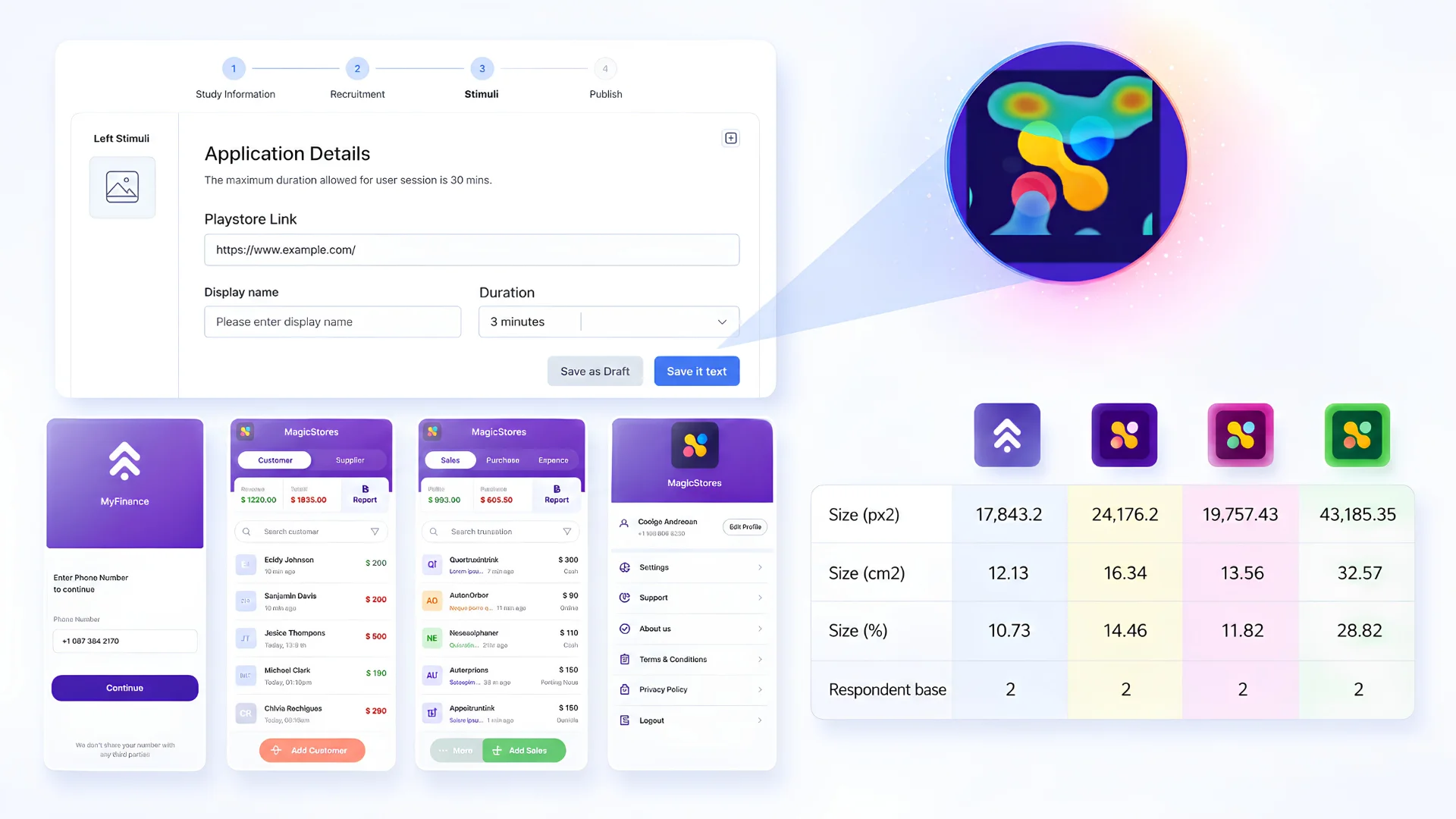
Mobile app UX testing evaluates how users interact with your app—uncovering friction, confusion, and usability gaps before they impact real users.
Because even minor experience flaws can lead to drop-offs, poor ratings, and uninstallations—UX testing ensures every interaction feels seamless and intuitive.
From navigation flows and gestures to layout, speed, and usability—every touchpoint that shapes the user experience is evaluated.
By identifying friction points early, UX testing helps optimize journeys, reduce user effort, and enhance engagement across devices and screens.
Techniques like usability testing, task-based analysis, real-user feedback, and prototype testing reveal what works—and what needs fixing.
Start early and iterate often—testing from prototype to post-launch ensures a consistently optimized user experience.